
Illustrative and educational
Defect Library
A guide to the kinds of items a snagging inspection may record, grouped by the six areas of the home. Each entry explains what to look for, why it matters, how it is documented and what usually happens next.

Inspections are carried out by an appropriately licensed inspection provider, subject to verification and confirmed in your agreement. The method is visual and non-destructive. Each entry below sets out how such an item is usually documented and the limits of what a visual inspection can say about it.
Browse the library
Search by word (for example grout, AC not cooling or socket), or narrow the list by area of the home and by property type. Each entry has a short illustration, what it looks like, why it matters and how it is usually documented. Everything below is readable without JavaScript.
All 31 items are listed below.
No items match your search. Try fewer or different words, or clear the filters.
Not seeing your item? Describe it when you ask: Request an Inspection Quote.
Finishes 7 in category

Uneven or patchy paintwork
- All property types
- Living areas
- Bedroom
- Whole home
Why it matters and what happens next
- Why it matters
- Mainly appearance, but it can also indicate rushed preparation, and repainting is easier before furniture is in place.
- How it is usually documented
- Photographed at an angle that shows the issue, with the wall and room identified.
- Typical next step
- Responsible party to make good and repaint the affected area or wall.
- Limitations
- Some marks are visible only in certain light; touch-ups may not match exactly.
Related service: Pre-Handover Snagging. Link to this item

Cracked, chipped or loose tiles
- All property types
- Bathroom
- Kitchen
- Balcony or terrace
- Living areas
Why it matters and what happens next
- Why it matters
- Damaged tiles can have sharp edges; loose or hollow tiles can crack further; in wet areas, damage can allow water behind the surface.
- How it is usually documented
- Close-up and wider photographs, with the tile's position described or marked.
- Typical next step
- Responsible party to assess and replace or re-fix the affected tiles.
- Limitations
- A hollow sound suggests incomplete bedding but does not confirm its extent; matching replacement tiles may not be available.
Related service: Pre-Handover Snagging. Link to this item
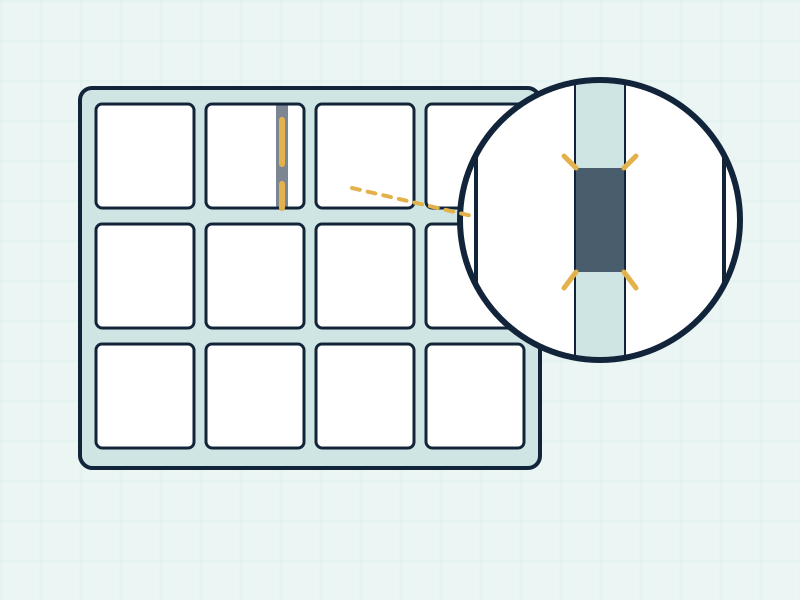
Open or inconsistent grout joints
- All property types
- Bathroom
- Kitchen
Why it matters and what happens next
- Why it matters
- In wet areas, open joints can let water reach the layers beneath; elsewhere it is mainly appearance and cleaning.
- How it is usually documented
- Close-up photographs with the location identified.
- Typical next step
- Responsible party to rake out and re-grout affected joints.
- Limitations
- A visual inspection cannot confirm whether water has already passed behind the tiles.
Related service: Pre-Handover Snagging. Link to this item
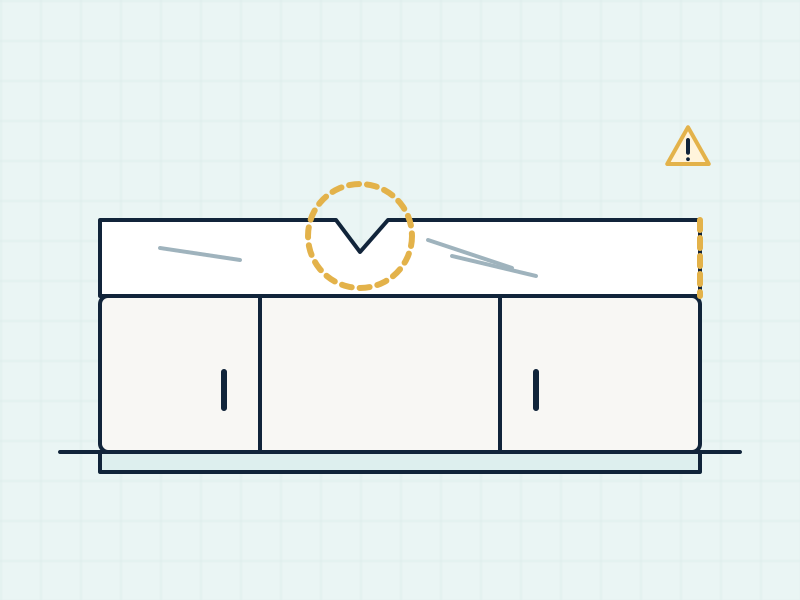
Damaged or incomplete surfaces
- All property types
- Kitchen
- Whole home
Why it matters and what happens next
- Why it matters
- Mostly appearance and durability, though sharp edges or missing trims can be a minor safety point.
- How it is usually documented
- Photographs showing the damage and the item it affects.
- Typical next step
- Repair, fill, replace the trim, or replace the component, as the responsible party considers appropriate.
- Limitations
- Distinguishing original damage from damage after handover depends on timing, which is why a dated record matters.
Related service: Pre-Handover Snagging. Link to this item
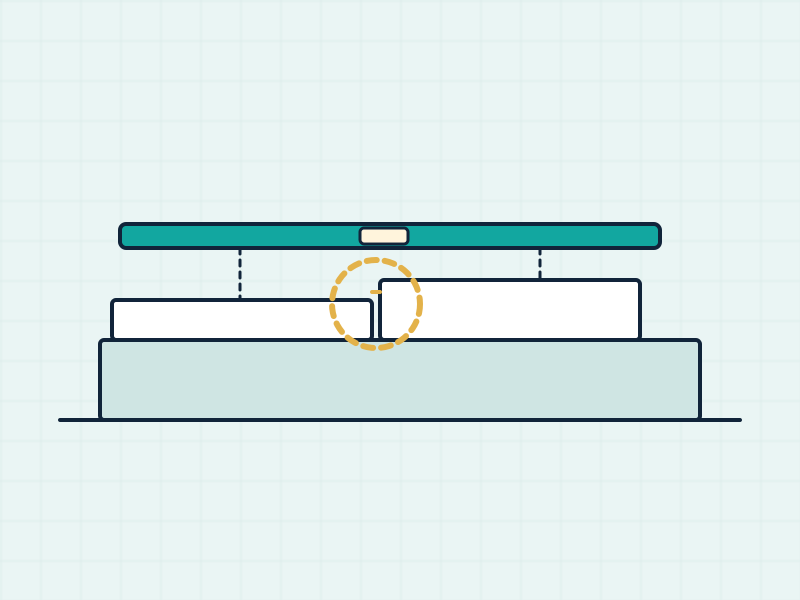
Uneven tile edges (lippage) after re-tiling
- All property types
- Bathroom
- Kitchen
- Living areas
Why it matters and what happens next
- Why it matters
- Raised edges can be a trip or cut risk on floors, collect dirt, and chip more easily; on walls they spoil the finish of a newly renovated room.
- How it is usually documented
- Photographed in raking light with the tile position described, and noted against the agreed scope, drawings or tile samples where available.
- Typical next step
- Contractor to assess and lift and re-lay or adjust the affected tiles, matching tiles from the same batch where possible.
- Limitations
- Some lippage can be inherent to the tile type or format; a visual check cannot confirm how well the tiles are bedded beneath.
Related service: Renovation Inspection. Link to this item
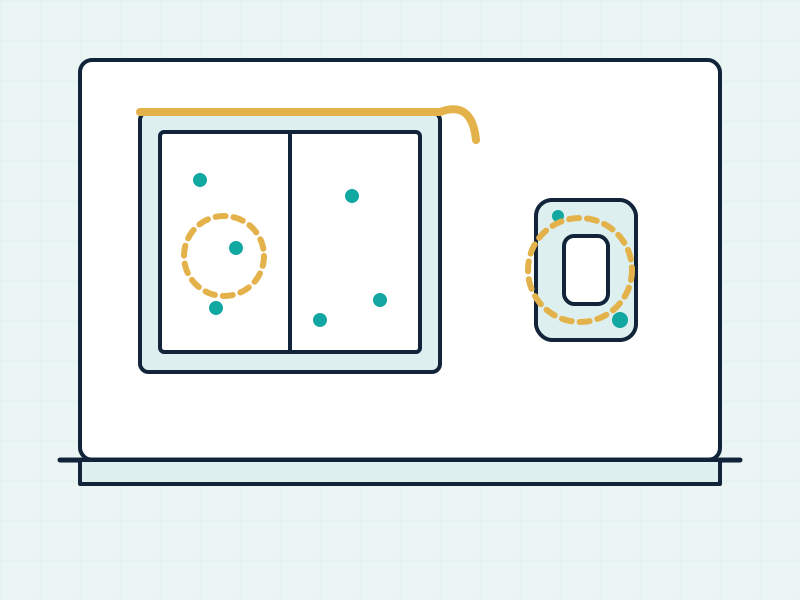
Paint overspray or visible patch repairs
- All property types
- Living areas
- Bedroom
- Whole home
Why it matters and what happens next
- Why it matters
- Mainly appearance, but overspray can damage fittings and finishes, and patch repairs are easier to blend before furniture goes back in.
- How it is usually documented
- Photographed in normal and raking light, with the wall, room or fitting identified.
- Typical next step
- Contractor to clean off overspray without damaging the surface, and make good and repaint patches to a full wall or a natural break.
- Limitations
- Patches may be visible only in certain light; touch-ups may not match exactly on an older or textured finish.
Related service: Renovation Inspection. Link to this item
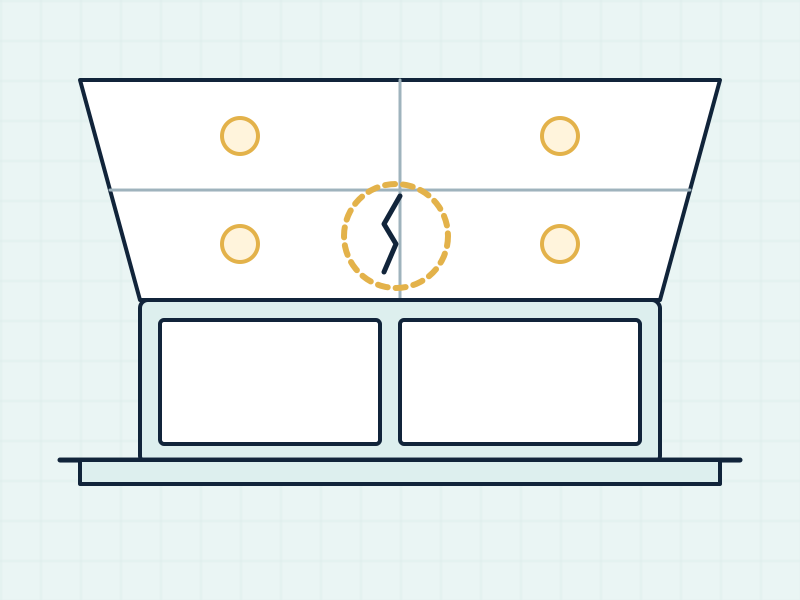
Cracks at ceiling access panels or cornices
- All property types
- Living areas
- Bedroom
- Bathroom
- Kitchen
Why it matters and what happens next
- Why it matters
- Mostly appearance, but a panel that does not sit properly can be awkward to open for maintenance, and repeated cracking may be worth raising early.
- How it is usually documented
- Photographs of each crack or panel with its location, and a note of whether the panel opens and closes.
- Typical next step
- Contractor to fill, tape or refit as needed, and redecorate the affected area.
- Limitations
- The cause of a crack cannot be confirmed visually; the void above the ceiling is not inspected unless agreed in the scope.
Related service: Renovation Inspection. Link to this item
Water and drainage 5 in category
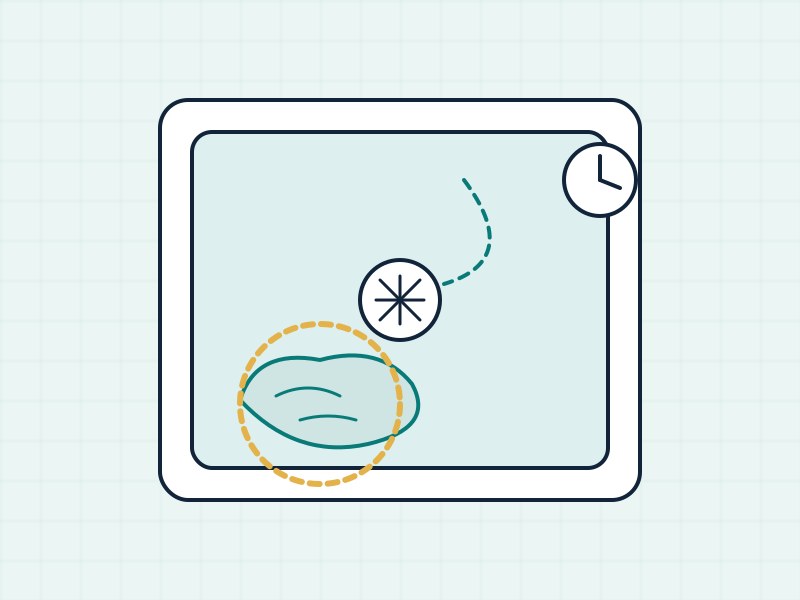
Slow drainage or water pooling
- All property types
- Bathroom
- Kitchen
Why it matters and what happens next
- Why it matters
- Standing water can stain, damage sealant and grout, and in time may affect surrounding finishes.
- How it is usually documented
- A photograph or short note of the water after a brief functional run, with the fitting identified.
- Typical next step
- Responsible party to check the waste and trap, and the floor falls in showers.
- Limitations
- Observable only with water connected; the cause of a slow drain cannot be confirmed visually.
Related service: Pre-Handover Snagging. Link to this item
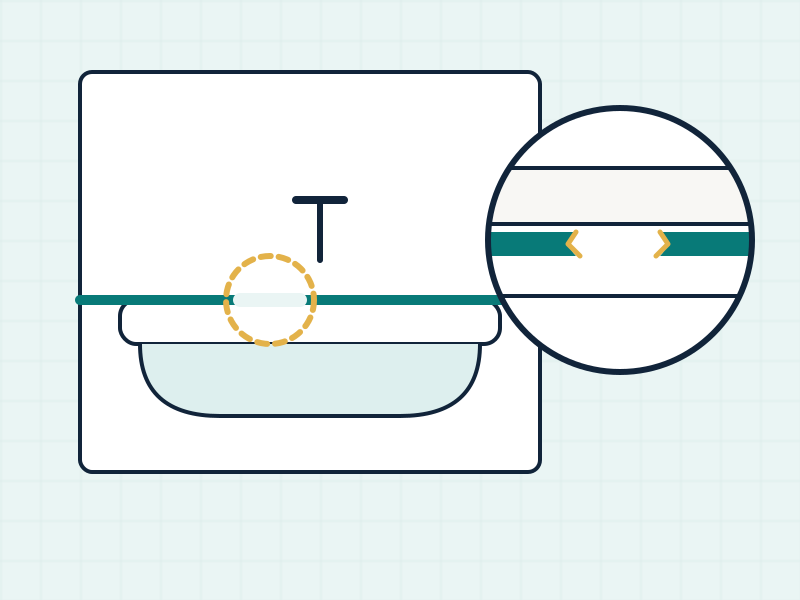
Missing or discontinuous sealant
- All property types
- Bathroom
- Kitchen
Why it matters and what happens next
- Why it matters
- Sealant at these junctions helps keep water out of the layers behind; gaps can allow water to escape.
- How it is usually documented
- Close-up photographs with the junction described.
- Typical next step
- Responsible party to remove and renew the sealant.
- Limitations
- Fresh sealant can hide earlier gaps; a visual inspection cannot confirm what lies behind.
Related service: Pre-Handover Snagging. Link to this item
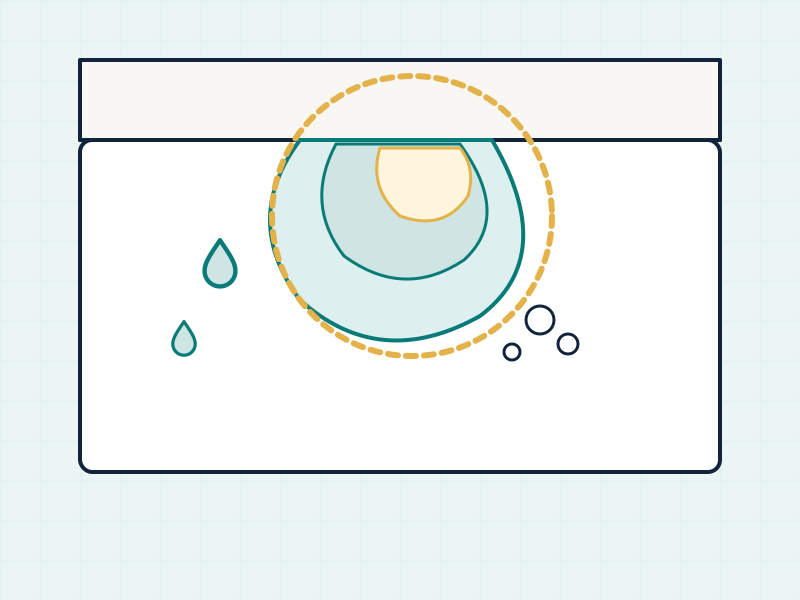
Staining or moisture indicators near wet areas
- All property types
- Bathroom
- Bedroom
- Living areas
Why it matters and what happens next
- Why it matters
- These can indicate past or present water; if the source is active, damage may continue.
- How it is usually documented
- Photographs of the area; where included in the scope, a moisture meter reading may be recorded alongside.
- Typical next step
- Responsible party to investigate the source and then rectify.
- Limitations
- A stain or reading shows an indication at that moment; it does not by itself prove a leak, its source or whether it is active.
Related service: Pre-Handover Snagging. Link to this item
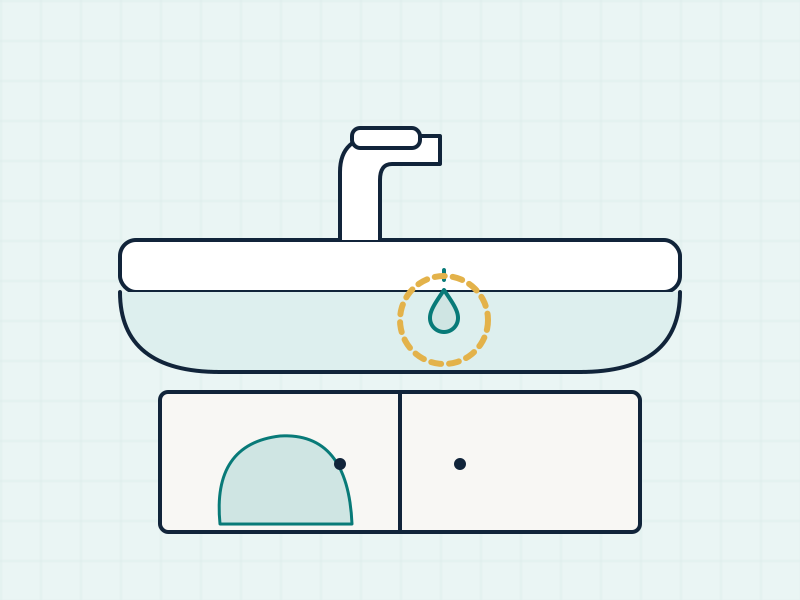
Drips or loose fittings at visible connections
- All property types
- Bathroom
- Kitchen
Why it matters and what happens next
- Why it matters
- Small drips can damage cabinets and finishes over time and waste water.
- How it is usually documented
- A photograph of the fitting and any wetness, with the room identified.
- Typical next step
- Responsible party to tighten, reseal or replace the fitting.
- Limitations
- Only visible connections are checked; concealed pipework is outside a visual inspection.
Related service: Pre-Handover Snagging. Link to this item
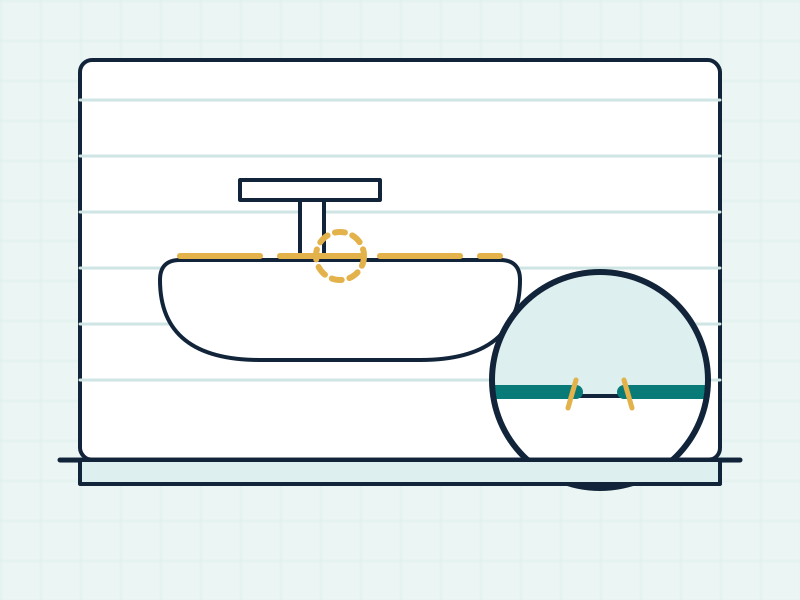
Sealant gaps around new sanitaryware
- All property types
- Bathroom
- Kitchen
Why it matters and what happens next
- Why it matters
- These joints are a common route for water to get behind finishes in a refitted wet area, which can lead to staining or damage that is hard to see early.
- How it is usually documented
- Close-up and wider photographs of each joint, with the fitting and room identified, and a note of how the fitting performed in use where it could be operated.
- Typical next step
- Contractor to remove and renew the affected sealant once the surfaces are clean and dry.
- Limitations
- A visual check cannot confirm the condition of any waterproofing layer behind or beneath the fitting.
Related service: Renovation Inspection. Link to this item
Electrical fittings 5 in category

Loose or misaligned socket and switch plates
- All property types
- Whole home
Why it matters and what happens next
- Why it matters
- Mostly appearance, but a loose fitting may need attention for safe use.
- How it is usually documented
- Photograph of the fitting with the room and position identified.
- Typical next step
- A competent electrician, arranged by the responsible party, to secure and realign the fitting.
- Limitations
- This is a user-level visual check; it is not a test of the electrical installation.
Related service: Pre-Handover Snagging. Link to this item
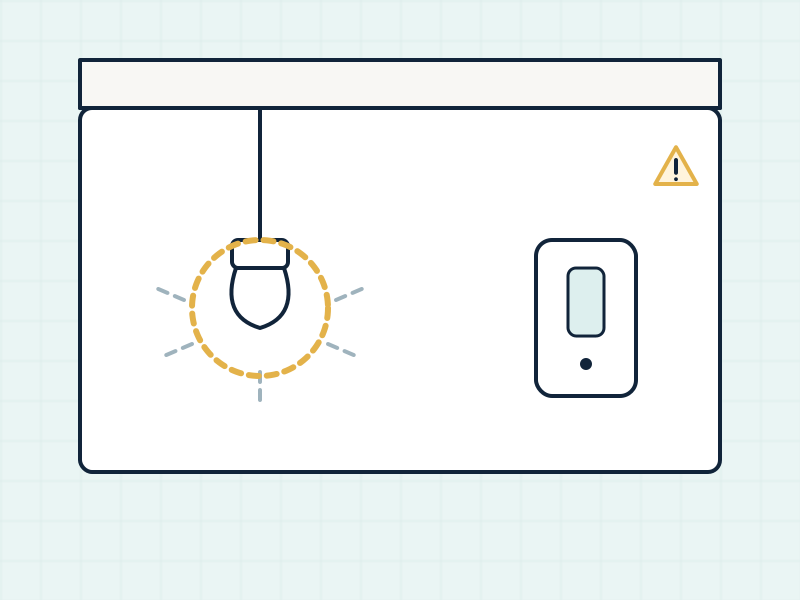
Light fittings not working or incomplete
- All property types
- Whole home
Why it matters and what happens next
- Why it matters
- Affects daily use and, in stairs or bathrooms, safety.
- How it is usually documented
- A note of which switch and fitting, with a photograph.
- Typical next step
- Responsible party to replace lamps, complete fittings or investigate the circuit.
- Limitations
- A fitting that does not work may have a simple or more complex cause; the inspection records the symptom only.
Related service: Pre-Handover Snagging. Link to this item
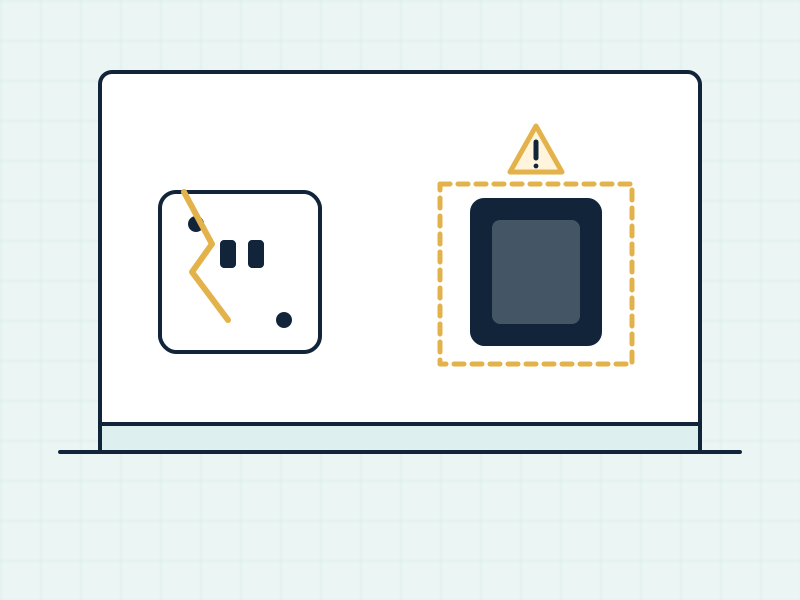
Damaged, missing or exposed covers
- All property types
- Whole home
Why it matters and what happens next
- Why it matters
- Exposed openings can be a safety concern and should be addressed promptly.
- How it is usually documented
- A photograph with the location identified, and a note of the safety relevance.
- Typical next step
- A competent electrician, arranged by the responsible party, to fit or replace covers.
- Limitations
- Fittings are not opened or dismantled during the inspection.
Related service: Pre-Handover Snagging. Link to this item
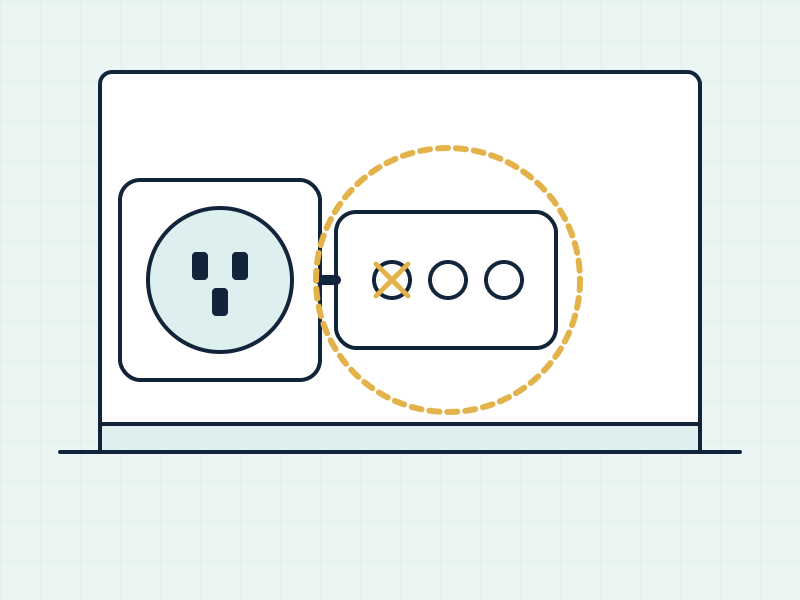
Sockets not working at user level
- All property types
- Kitchen
- Whole home
Why it matters and what happens next
- Why it matters
- Affects daily use, particularly for kitchen appliances.
- How it is usually documented
- The socket's location and the result of the check, with a photograph.
- Typical next step
- Responsible party to investigate the circuit and rectify.
- Limitations
- A user-level check does not test the safety or condition of the installation; that is specialist work outside a snagging inspection.
Related service: Pre-Handover Snagging. Link to this item
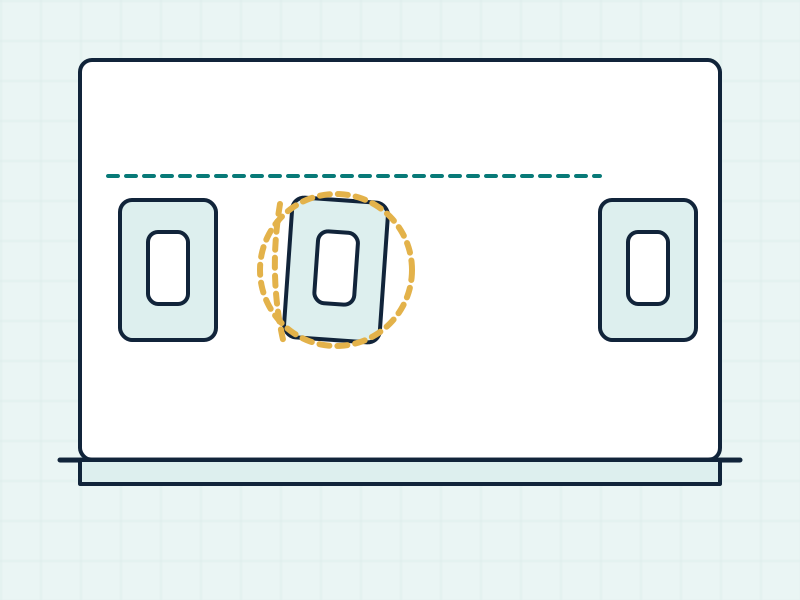
Loose or misaligned new electrical faceplates
- All property types
- Whole home
Why it matters and what happens next
- Why it matters
- A loose or damaged plate can expose the box behind it, and plates that do not sit flush suggest the finish around them was changed after fitting.
- How it is usually documented
- Photographs of each plate with its room and position, and a note of whether it moved when lightly touched.
- Typical next step
- Contractor to arrange for the fittings to be refixed, realigned or replaced by an appropriately qualified person.
- Limitations
- This is a visual, user-level check of the fitting only; wiring and circuits are not tested.
Related service: Renovation Inspection. Link to this item
Cooling and ventilation 5 in category
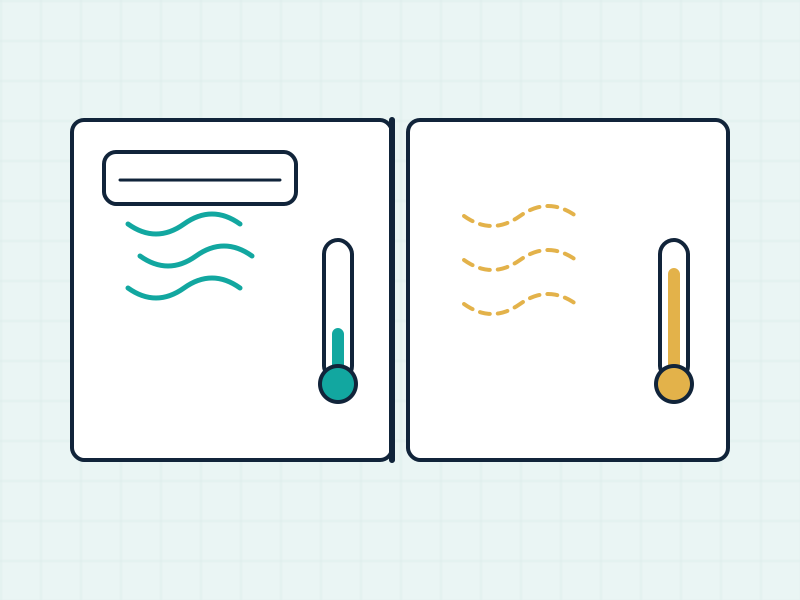
Uneven cooling between rooms
- All property types
- Bedroom
- Living areas
- Utility or plant areas
Why it matters and what happens next
- Why it matters
- Affects comfort and can point to a balancing, control or installation issue.
- How it is usually documented
- A note of the conditions, the room and the observation; where included in the scope, a temperature reading may be recorded.
- Typical next step
- Responsible party to check and balance or adjust the system.
- Limitations
- Depends on the system being active and on outdoor conditions on the day; cause cannot be confirmed visually.
Related service: Pre-Handover Snagging. Link to this item
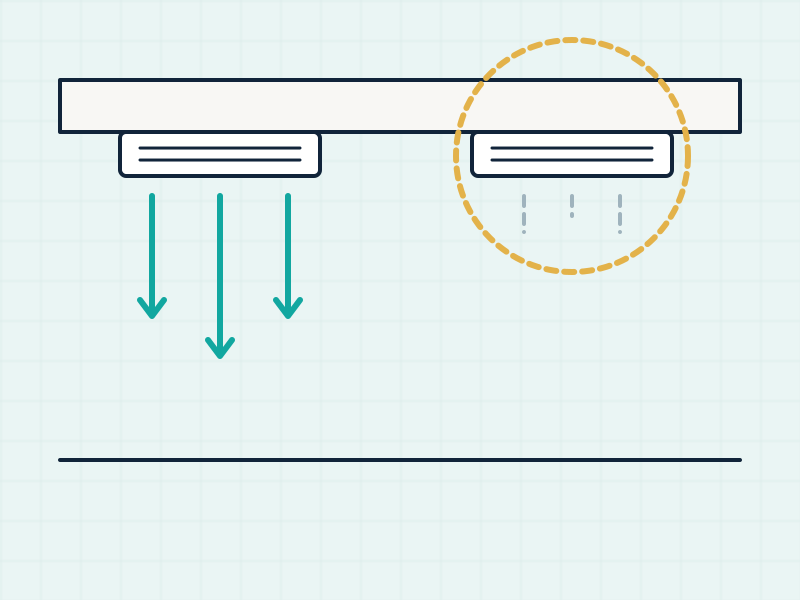
Weak or no airflow at an outlet
- All property types
- Bedroom
- Living areas
Why it matters and what happens next
- Why it matters
- May affect cooling in that room.
- How it is usually documented
- The outlet's location and observation, with a photograph of the grille.
- Typical next step
- Responsible party to check dampers, connections and settings.
- Limitations
- Ductwork above ceilings is not inspected.
Related service: Pre-Handover Snagging. Link to this item
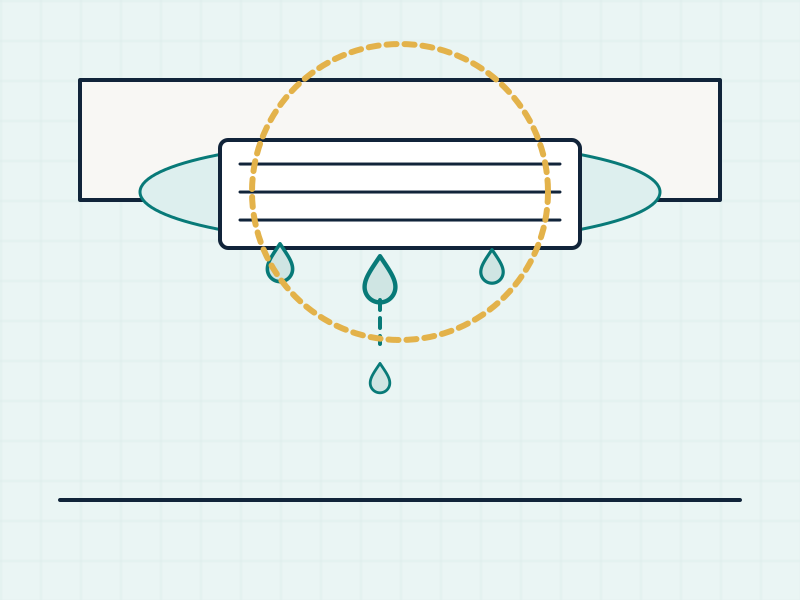
Condensation or drips at grilles
- All property types
- Bedroom
- Living areas
Why it matters and what happens next
- Why it matters
- Drips can stain ceilings and damage finishes or furniture below.
- How it is usually documented
- Photographs of the grille and any staining, with the room identified.
- Typical next step
- Responsible party to investigate insulation, drainage or settings.
- Limitations
- May appear only under certain conditions and may not be present on the day.
Related service: Pre-Handover Snagging. Link to this item
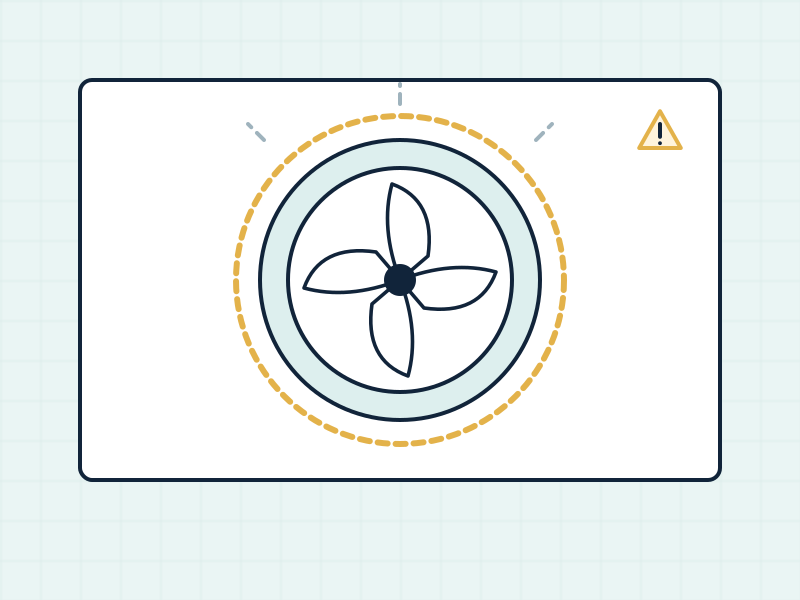
Extract fans not working or weak
- All property types
- Bathroom
- Kitchen
Why it matters and what happens next
- Why it matters
- Poor extraction can lead to condensation and moisture marks in wet areas.
- How it is usually documented
- The fan's location and observation, noted with a photograph.
- Typical next step
- Responsible party to check the fan, its connection and its ducting.
- Limitations
- Ducting and its outlet are not usually visible or accessible.
Related service: Pre-Handover Snagging. Link to this item
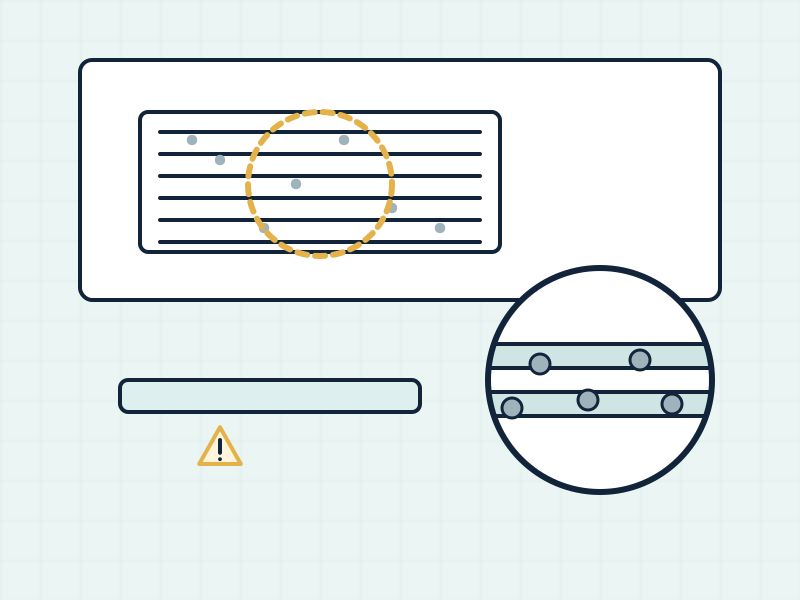
Dust or debris in air-conditioning grilles after works
- All property types
- Living areas
- Bedroom
- Whole home
Why it matters and what happens next
- Why it matters
- Debris can be blown into rooms when cooling runs and may affect airflow; dust in returns can reach the unit and its filters.
- How it is usually documented
- Photographs of each grille with its room, and a note of airflow where the system was running.
- Typical next step
- Contractor to clean or refit grilles, and to ask the cooling maintenance provider whether filters or units need cleaning.
- Limitations
- Ducts, coils and units above the ceiling are not inspected; whether debris has entered the system cannot be confirmed visually.
Related service: Renovation Inspection. Link to this item
Openings and joinery 5 in category
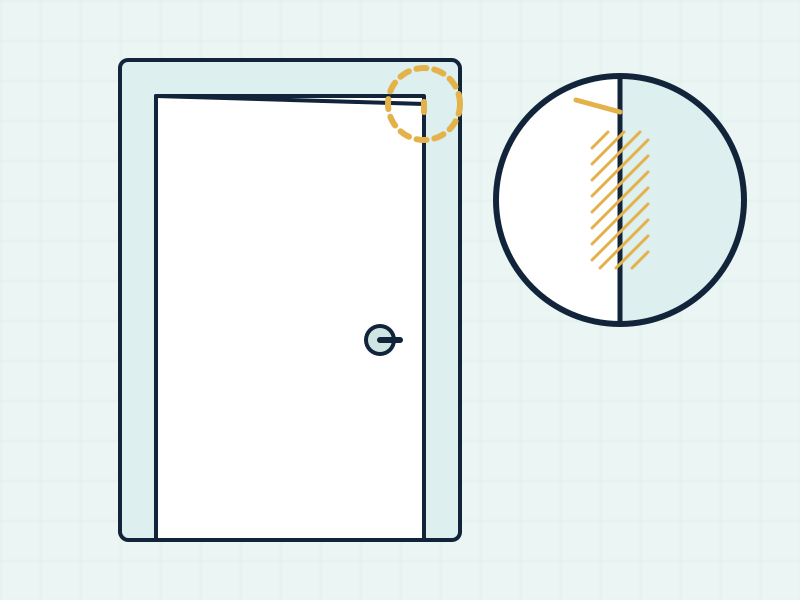
Doors that bind, drop or will not latch
- All property types
- Whole home
Why it matters and what happens next
- Why it matters
- Affects daily use, privacy and, for external doors, security.
- How it is usually documented
- The door's location and behaviour, with a photograph of any rubbing marks or gaps.
- Typical next step
- Responsible party to adjust hinges, strike plates or the door.
- Limitations
- Doors may behave differently as temperature and humidity change.
Related service: Pre-Handover Snagging. Link to this item
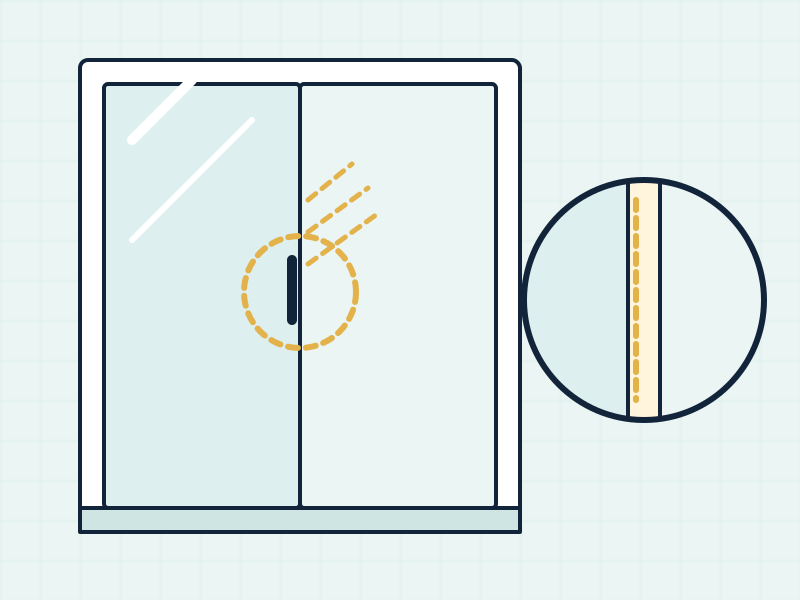
Sliding or balcony door seal gaps
- All property types
- Balcony or terrace
- Living areas
Why it matters and what happens next
- Why it matters
- Gaps can allow dust, water and warm air in, and affect cooling and security.
- How it is usually documented
- Close-up photographs of the gap with the door closed, and a wider shot to locate it.
- Typical next step
- Responsible party to adjust the door and renew or reposition seals.
- Limitations
- Whether water actually passes through cannot be confirmed without testing that is outside a visual inspection.
Related service: Apartment Inspection. Link to this item
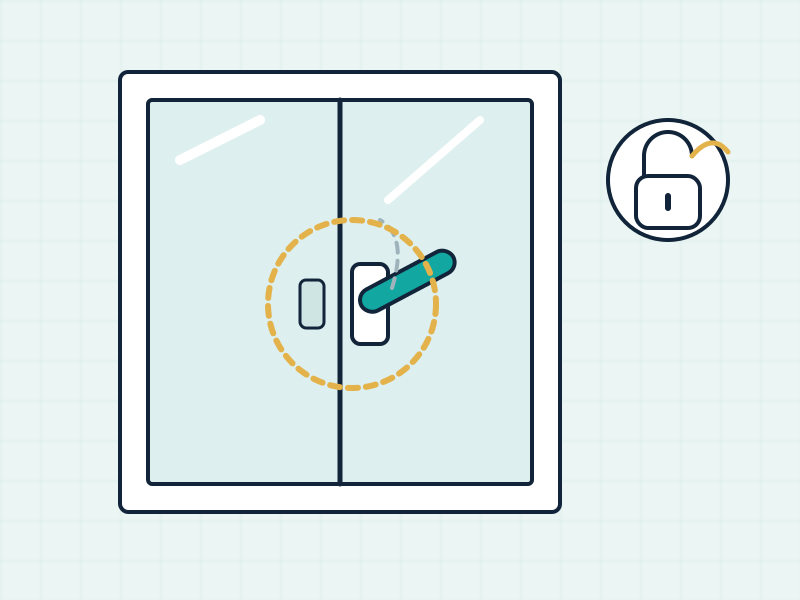
Window handles and locks that do not engage
- All property types
- Bedroom
- Living areas
Why it matters and what happens next
- Why it matters
- Affects security and, on upper floors, safety.
- How it is usually documented
- The window's location and the behaviour of the handle or lock, with a photograph.
- Typical next step
- Responsible party to adjust or replace the hardware.
- Limitations
- Only accessible windows are checked; high-level glazing may be out of reach.
Related service: Pre-Handover Snagging. Link to this item
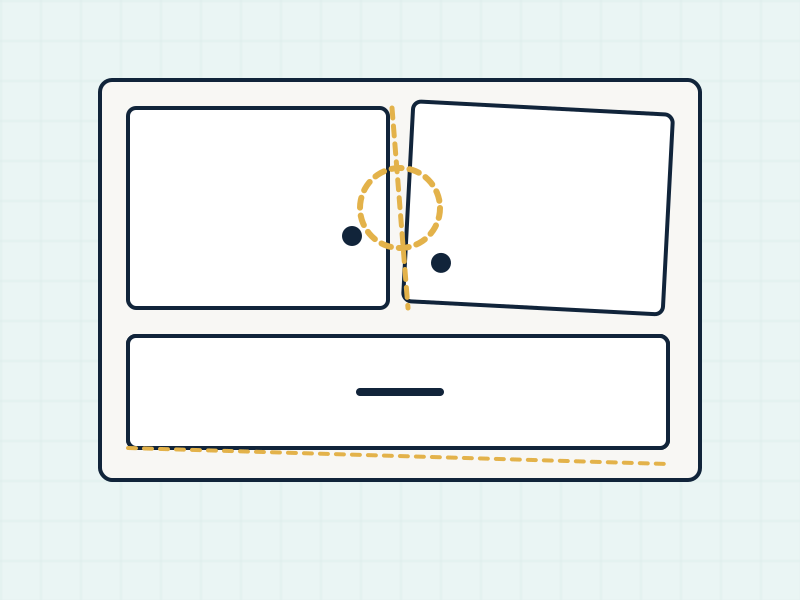
Misaligned cabinets, wardrobes and drawers
- All property types
- Kitchen
- Bedroom
Why it matters and what happens next
- Why it matters
- Affects daily use and appearance, and misalignment can worsen over time.
- How it is usually documented
- A photograph showing the misalignment, with the unit identified.
- Typical next step
- Responsible party to adjust hinges and runners or replace components.
- Limitations
- Contents and fixings behind units are not inspected.
Related service: Pre-Handover Snagging. Link to this item
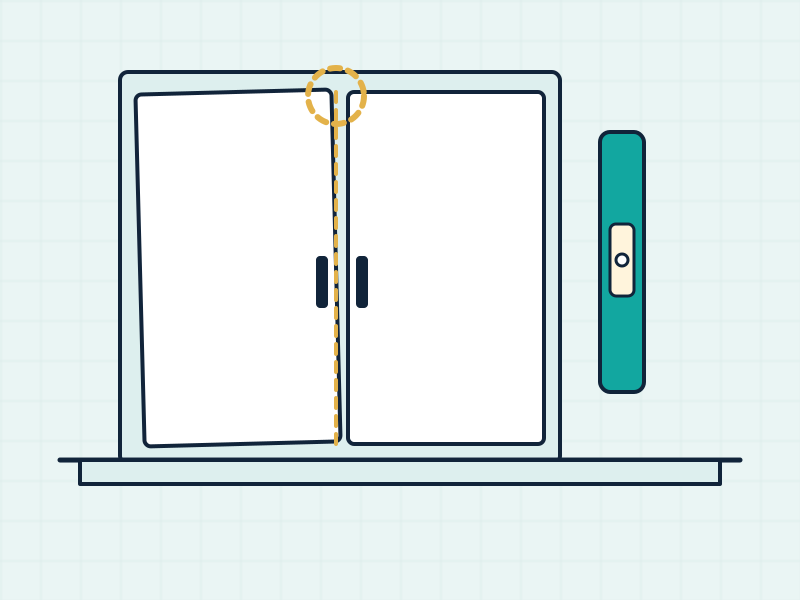
Misaligned new joinery or faulty soft-close fittings
- All property types
- Kitchen
- Bedroom
- Bathroom
Why it matters and what happens next
- Why it matters
- Misalignment usually worsens with use, and hinges and runners are easier to adjust or replace while the joiner is still engaged.
- How it is usually documented
- Photographs showing the uneven gaps or alignment, with a note of which door or drawer and how it behaved when operated.
- Typical next step
- Contractor or joiner to adjust hinges and runners, or replace faulty fittings.
- Limitations
- Some adjustment may be needed as new joinery settles; the internal construction of units is not assessed.
Related service: Renovation Inspection. Link to this item
External and other 4 in category
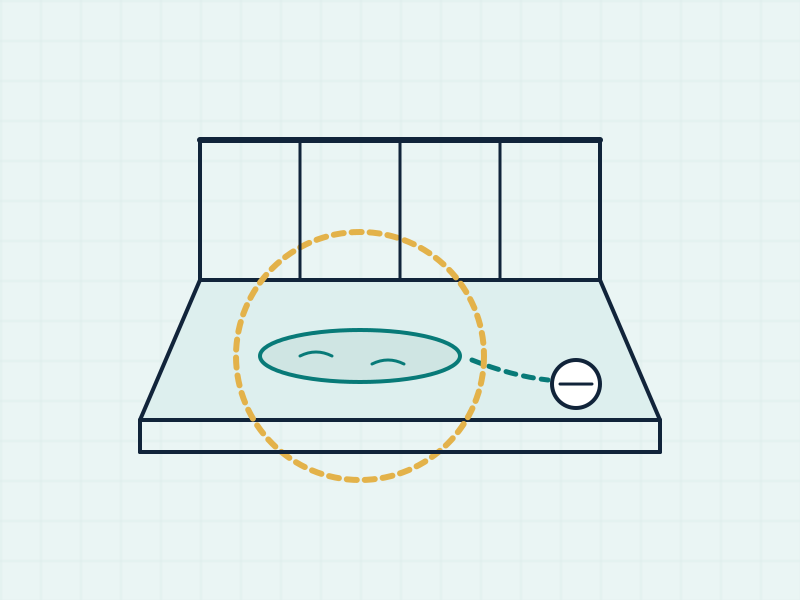
Water standing on balconies and terraces
- All property types
- Balcony or terrace
Why it matters and what happens next
- Why it matters
- Standing water can stain, create slip hazards and, over time, affect finishes and junctions.
- How it is usually documented
- Photographs of the water and its position relative to the drain.
- Typical next step
- Responsible party to check floor falls and the drain outlet.
- Limitations
- Observable only if water is present or can safely be introduced; waterproofing layers below are not visible.
Related service: Apartment Inspection. Link to this item
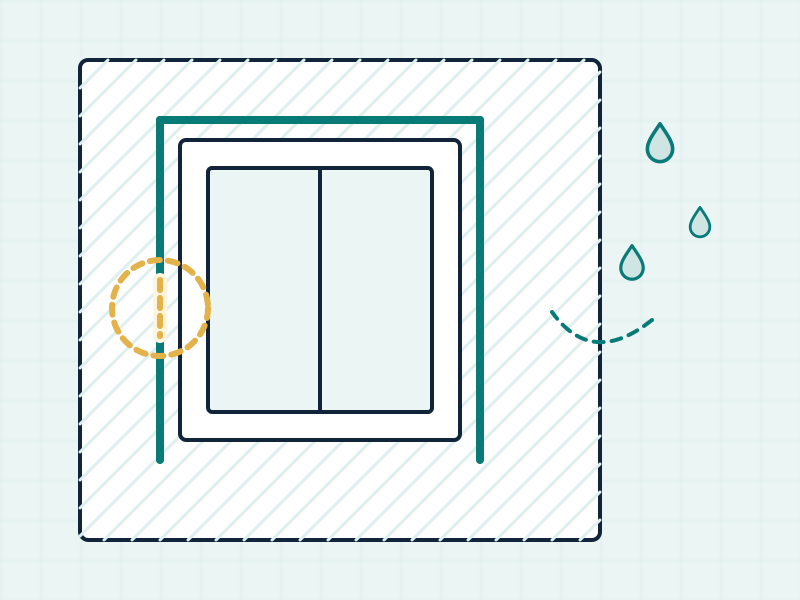
Sealant gaps around external frames
- All property types
- Balcony or terrace
- Whole home
Why it matters and what happens next
- Why it matters
- These junctions help keep weather out; gaps may allow water to enter.
- How it is usually documented
- Close-up photographs with the elevation and frame identified.
- Typical next step
- Responsible party to renew the sealant.
- Limitations
- Only accessible levels are inspected; high-level elevations may be out of reach.
Related service: Pre-Handover Snagging. Link to this item
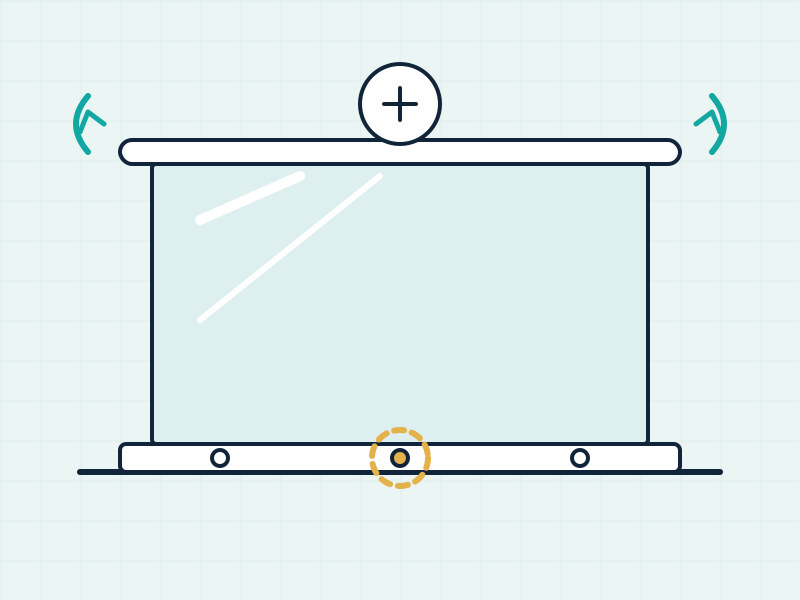
Loose balustrades and handrails
- All property types
- Balcony or terrace
- Stairs
Why it matters and what happens next
- Why it matters
- A safety concern, particularly on stairs, balconies and terraces.
- How it is usually documented
- The location and observation, with a photograph, and a note of the safety relevance.
- Typical next step
- Responsible party to inspect and secure fixings promptly.
- Limitations
- A hand check is not a load test; it records noticeable movement only.
Related service: Pre-Handover Snagging. Link to this item

Leaks or damage to visible outdoor fittings
- Townhouse
- Villa
- Garden or pool area
Why it matters and what happens next
- Why it matters
- Leaks waste water and can damage paving or planting; loose fittings can be a safety point.
- How it is usually documented
- Photographs with the location in the garden or outdoor area described.
- Typical next step
- Responsible party to repair or replace the fitting.
- Limitations
- Irrigation design, buried pipework and community landscaping are outside the inspection.
Related service: Villa Inspection. Link to this item
How to use this library
- Use it to understand the kinds of items a report may contain, not to diagnose your own property.
- When you read a report, check the provider's own descriptions and priorities, which take precedence over general explanations here.
- For how findings are laid out, see the sample report; for what each area covers, see what inspections cover; for help interpreting a report, see how to read a snagging report.

Finding priority: practical interpretation
- What you may see Items are described as higher, medium or lower indicative priority, to help you decide what to raise first — a practical guide, not a score.
- Why it may matter An indicative priority helps you plan which items to follow up first when you talk to the developer or contractor.
- What this does not establish Priority wording is indicative only. The final taxonomy and its wording are confirmed by the inspection provider before use, and priority is not a measure of cost or liability.
- A sensible next step Start with the higher-priority items when you raise the report, keeping each one with its photograph and reference.
Illustrative guidance — technical review pending. Priority wording is indicative; the provider confirms the taxonomy and disclaimers.
Request an Inspection Quote
Tell us about the property. We confirm the scope, its limitations and a quote in writing before you commit. Sending an enquiry takes no payment.