
Who is the DLP / Warranty Inspection for?
This service is for owners who have already taken handover and are living in, or letting, the property. A DLP is a period, usually defined in the sale and purchase agreement (SPA) or construction documents, during which certain defects are to be reported and addressed. Separate warranties may also apply to particular installations. This inspection suits:
- owners approaching the end of a DLP or warranty period who want outstanding items recorded;
- owners who reported items at handover and are not sure what was resolved;
- landlords who want a structured record between tenancies;
- owners noticing recurring issues, such as staining, condensation or doors that have begun to bind.
When should you book?
Check your documents first. Your SPA, handover certificate or developer correspondence should state how the relevant periods are defined and how defects must be reported. Then book early enough to:
- receive and read the report;
- submit items through the correct channel and in the required format;
- leave time for the developer or responsible party to respond before any deadline.
We cannot confirm deadlines for you. If you are unsure how your contract applies, take independent advice.
What does a DLP inspection look at?
The scope is set out in your quote. Because the home is occupied, the focus shifts towards how the property has performed in use. Where present and accessible, it typically covers:
- Items reported earlier: each unresolved item from your handover report or correspondence, checked again by reference.
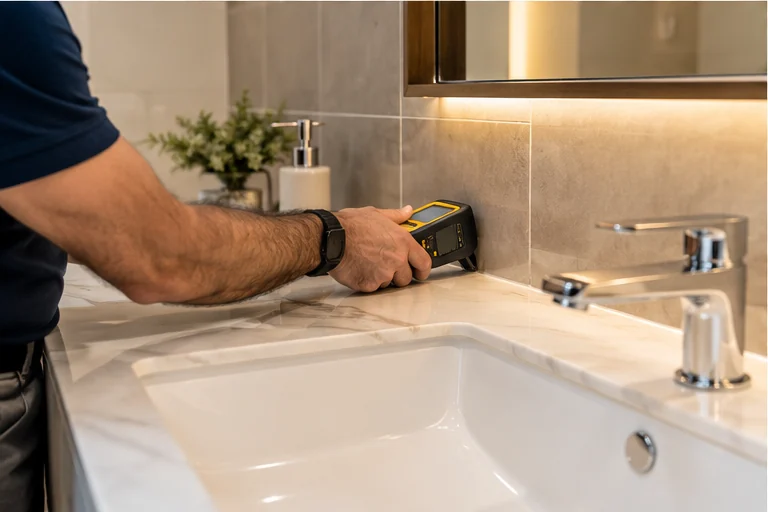
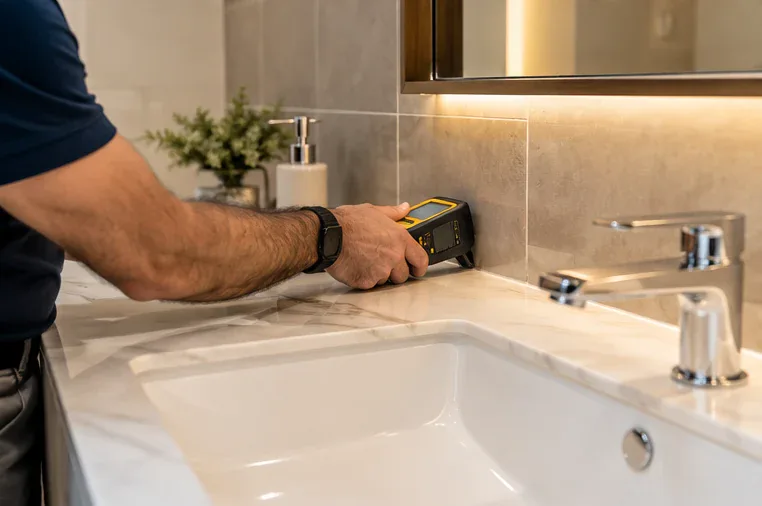
- Signs of water: staining, discolouration, swelling or raised moisture readings near wet areas, windows, balconies and ceilings.
- Movement and wear in finishes: new cracking, lifting tiles, failed grout or sealant.
- Openings: doors and windows that have begun to bind, drop or lose their seal.
- Cooling and ventilation: uneven cooling between rooms, condensation at outlets, and extract fans that are noisy or weak.
- Fittings: loose or failing sanitaryware, taps, sockets, switches and light fittings at user level.
What is outside the scope?
- deciding whether an item falls under your DLP, a warranty or any law;
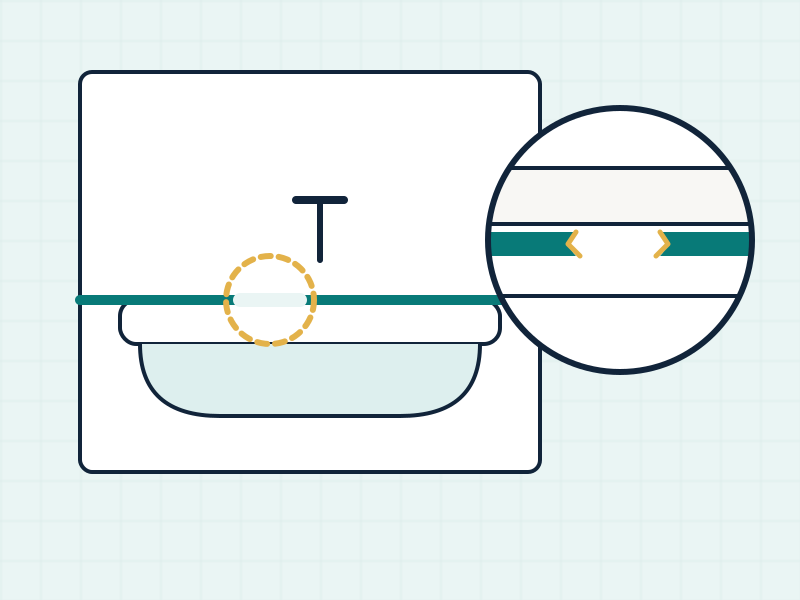
- locating concealed leaks by opening finishes or other invasive methods;
- assessing whether damage was caused by use, maintenance or construction;
- common areas and building-wide systems, which are usually managed by the owners association or building management;
- appliances, specialist plant and pools unless separately agreed.
What access and utilities are needed?
- access to every room in scope, arranged with any tenant in good time;
- water, electricity and cooling running as normal;
- reasonable clearance around wet areas, windows and stained areas;
- a copy of any earlier report or list of reported items.
What does the report contain?
The inspection provider's report records conditions on the day, including occupancy, and then lists findings by room. Where earlier items were included, each is shown with its original reference so you can see what remains open. Every finding has photographs, a description, a provider-defined priority and a suggested next step.
What happens after the inspection?
Submit the items through the developer's formal channel, or to the party responsible under your documents, keeping dated copies of what you sent and any reply. Developers are expected to hand over in accordance with applicable contractual standards and to address eligible defects under relevant legal and contractual obligations. An inspection report can help you document concerns and follow up.
For context, Dubai Law No. 6 of 2019 sets out specific developer liabilities for jointly owned property in Article 40. Our DLP and warranties guide summarises it as general information.
Can repairs be checked afterwards?
Yes. Once the responsible party says the work is complete, a Reinspection (sometimes called de-snagging) can check each item by its reference number. Its terms are confirmed in writing before it is arranged.
Common questions
When does my Defects Liability Period end?
It depends on your contract and how the period is defined, so check your sale and purchase agreement and handover documents. We cannot confirm your dates, but we can help you plan an inspection around them.
Does an inspection extend my warranty?
No. An inspection records condition on the day. It does not extend any period, and it is not by itself a notice or claim to the developer.
Can you inspect while we are living in the property?
Yes. This service is designed for occupied homes. Furniture and belongings may limit what can be seen, and the report notes any such limits.
Can the inspection include issues I reported earlier that were not fixed?
Yes. Share your earlier report or correspondence when you enquire, and those items can be written into the scope so each is checked again.
Will the inspection find the source of a recurring leak?
Not necessarily. It records visible evidence, such as staining or a raised moisture reading, at the time of the visit. Locating a concealed source may need a separate specialist investigation.
Request an Inspection Quote
Tell us about the property. We confirm the scope, its limitations and a quote in writing before you commit. Sending an enquiry takes no payment.