
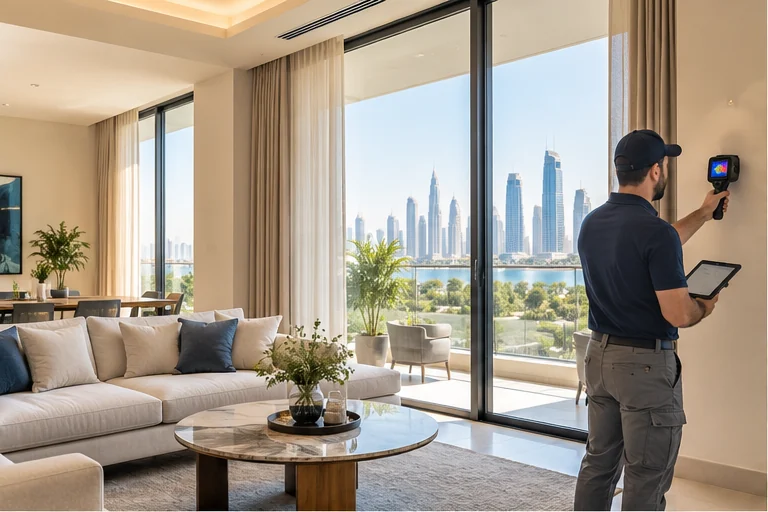
Who is Pre-Handover Snagging for?
This service is for buyers of newly built homes in Dubai who are approaching the developer's handover. It suits you if:
- you have received, or expect shortly, a notice inviting you to inspect or collect the keys;
- you want a structured record of the property's observable condition before you accept it;
- you plan to move in, furnish or rent the property soon after handover and want issues raised early;
- you cannot easily judge finishes, fittings and building services yourself and would rather have them checked methodically.
If you already hold the keys and want items checked before a Defects Liability Period (DLP) or warranty deadline, the DLP / Warranty Inspection is usually the better fit. If you are buying from an existing owner, see Resale Property Inspection.
When should you book?
Start the conversation as soon as you have a handover notice, even if the date is provisional. The inspection itself is best scheduled:
- after the developer confirms the property is complete and safe to enter;
- once water and power are connected and, where possible, cooling is running;
- before you sign the final handover documents, where the developer's process allows it.
Developers manage site access in different ways. Some allow independent inspectors at the first inspection appointment; others ask for a separate visit. What is feasible for your property is confirmed before a quote is issued. Our guide on when to book a snagging inspection walks through each stage, and the Dubai handover checklist covers what to bring and how to submit your snag list.
What is checked, area by area
The exact scope is written into your quote. For a typical new home, Pre-Handover Snagging covers safe, accessible areas across six groups.
Finishes

Surfaces you can see and touch.
- Paint, plaster and tile finish
- Grout and sealant lines
- Flooring joints and visible damage
Limitation. Finishes behind furniture, fixed units or surfaces that cannot be accessed are not assessed.
Water and drainage

Visible leaks and how water moves.
- Visible leaks at fittings and taps
- Drain flow and standing water where tested
- Sealant around baths, showers and basins
Limitation. Concealed pipework and waterproofing cannot be seen. A moisture reading alone does not prove a concealed defect.
Electrical fittings
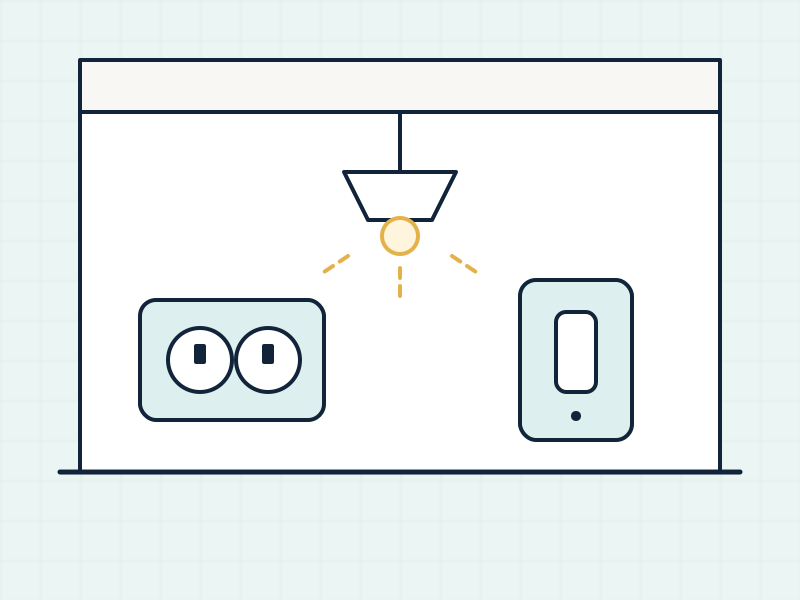
Accessible fittings, checked without opening anything.
- Sockets and switches: fixing and operation
- Light fittings that can be reached
- Visible damage or loose plates
Limitation. This is not an electrical safety certification, and distribution boards and wiring are not opened.
Cooling and ventilation

Observations under suitable operating conditions.
- Whether units start and run
- Vent and grille condition
- Visible condensation or drainage concerns
Limitation. Performance depends on conditions on the day. Systems are observed, not commissioned or balanced.
Openings and joinery
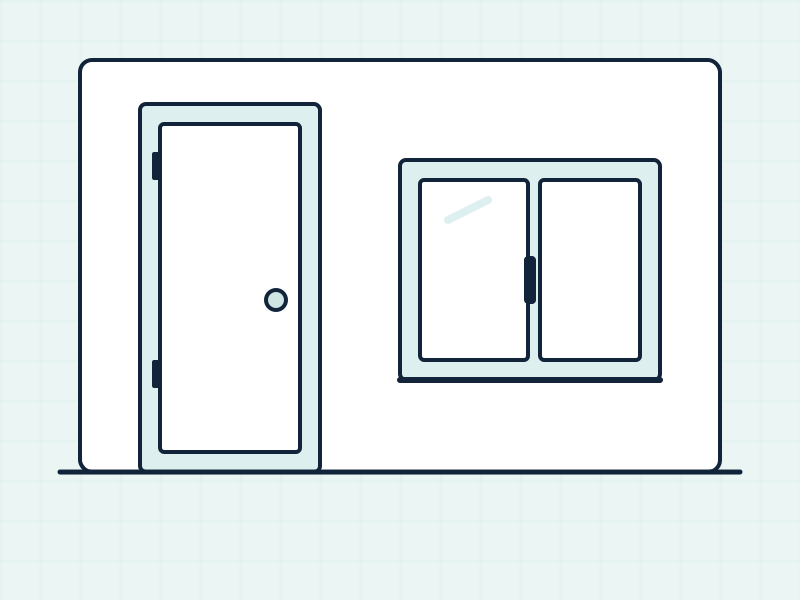
Doors, windows, cabinets and ironmongery.
- Door and window alignment and operation
- Handles, locks and seals
- Cabinet doors, drawers and hinges
Limitation. Operation is checked in normal use. Glazing performance and security ratings are not assessed.
External and other

Accessible areas outside the main living space, as agreed.
- Balcony and terrace drainage
- Visible exterior finish and sealant
- Accessible garden and boundary elements
Limitation. Roofs, pools, plant rooms and unsafe areas are included only where agreed, and sometimes need a specialist.
Each area is checked where present, safely accessible and included in your scope, with functional checks of drainage, user-level electrical fittings and cooling where services are running. Balconies, terraces, gardens or parking areas are included only where they belong to the unit and are expressly listed. See what inspections cover for the full detail and the exclusions.
How these areas differ between apartments, townhouses and villas is explained on the apartment, townhouse and villa pages.
What is outside the scope?
Pre-Handover Snagging is a visual, non-destructive inspection. Unless your quote says otherwise, it does not include:
- opening up walls, floors or ceilings, or any invasive testing;
- concealed pipework, wiring or ductwork;
- structural assessment of the building;
- testing of appliances, specialist plant, pools, lifts or building-wide systems;
- common areas and shared facilities managed by the building or community;
- confirming compliance with design drawings or authority approvals.
What access and utilities are needed?
To give a useful picture, the property should be:
- accessible in every room and space included in the scope, with keys for internal doors and wardrobes;
- connected to water and electricity, so fittings can be checked in use;
- served by active cooling where possible, because air-conditioning performance cannot be judged when the system is off;
- clear enough of construction materials and debris for safe movement.
If any of these are missing on the day, the inspection provider records the limitation. You can then decide whether a later visit is worthwhile.
What does the report contain?
The report is prepared and signed by the inspection provider. Its format is confirmed before you accept the quote. You can expect:
- property details, the inspection date and the conditions at the time;
- the agreed scope, and the areas that could not be inspected;
- findings grouped by room or area, each with a reference number;
- photographs and a short description of what was observed;
- a priority or category for each finding, as defined by the provider;
- a suggested next step for each item.
You can explore how findings are laid out on the sample report page.
What happens after the inspection?
You submit the findings through the developer's formal defect or handover channel, keeping a dated copy for yourself. Developers are expected to hand over in accordance with applicable contractual standards and to address eligible defects under relevant legal and contractual obligations. An inspection report can help you document concerns and follow up.
Our developer rectification guide explains how to keep a simple status log and what to ask for in writing.
Can the property be checked again after repairs?
Yes. Once the developer says items have been rectified, you can request a Reinspection (sometimes called de-snagging). It compares the visible status of each earlier finding against its reference number. Whether a reinspection is included in your quote, or quoted separately, is set out in writing before you proceed.
Common questions
Is a pre-handover inspection compulsory in Dubai?
No. It is an optional service you arrange yourself. Whether an independent inspector can attend, and when, depends on your developer's handover procedure and your sale and purchase agreement.
Should I inspect before or after signing the handover documents?
Ideally before you sign, so that observations can be listed while the handover is still in progress. Read your developer's documents carefully and take independent advice if you are unsure what signing means for you.
Can I attend the inspection?
Usually yes, and it can help you understand the findings. Attendance arrangements are confirmed when the visit is booked, as the developer may set its own rules for site access.
Will the developer fix everything listed in the report?
Not necessarily. Each item is assessed by the developer under the contract, any warranty and the applicable law. The report helps you raise concerns clearly; it does not decide responsibility.
How quickly will I receive the report?
The reporting timeframe is set out in your written quote. We do not publish a fixed timeframe because it depends on the property and the provider's schedule.
Request an Inspection Quote
Tell us about the property. We confirm the scope, its limitations and a quote in writing before you commit. Sending an enquiry takes no payment.