
What is a Defects Liability Period?
A Defects Liability Period (DLP) is a period, set out in a contract, during which defects that appear are to be reported and addressed under the terms of that contract. In a property purchase, any DLP, and how it starts and ends, is defined in your sale and purchase agreement (SPA) or associated handover documents.
Because a DLP is contractual, its length, what it covers, how you report items and any exclusions all depend on the wording you signed. There is no single DLP that applies to every Dubai property.
How is a warranty different?
A warranty is a promise about a particular product or installation, often from a manufacturer, supplier or installer. Appliances, air-conditioning equipment, water heaters, doors and windows may come with their own warranties, each with their own terms, periods and conditions, such as registration or regular servicing.
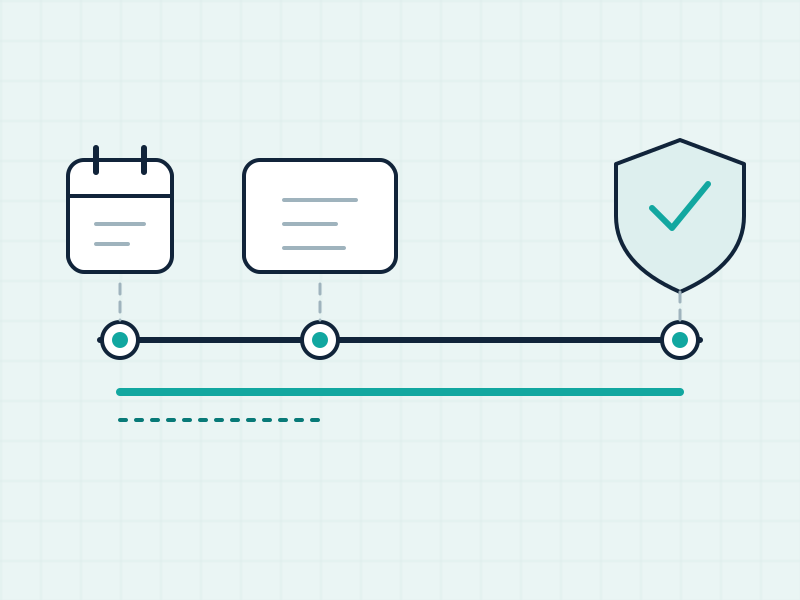
Practically, this means one property can have several overlapping periods: a contractual DLP, statutory liabilities and individual product warranties. Each has its own start date, scope and process.
What does Article 40 of Dubai Law No. 6 of 2019 say?
Dubai Law No. 6 of 2019 concerns the ownership of jointly owned real property in the Emirate of Dubai. Article 40 deals with the liability of developers. In summary:
- Structural defects: the developer remains liable, for 10 years from the date of obtaining the completion certificate for the project, to remedy or rectify defects in the structural parts of the jointly owned property.
- Defective installations: the developer remains liable, for 1 year from the date of handover of the unit to the owner, for repairing or replacing defective installations in the jointly owned property, including mechanical and electrical works, sanitary and sewerage installations and similar installations.
- Where an owner does not take possession: the Law provides a different starting point for the 1-year period in that case, linked to the completion certificate.
- Other rights preserved: the Article states that it does not prejudice rights or warranties owners may have against developers under other legislation.
Does Article 40 apply to my property?
It applies to jointly owned real property as defined in the Law. Whether, and how, it applies to a specific apartment, townhouse or villa depends on how the property and its community are legally structured. That is a legal question, and the answer is not always obvious from the property type alone. Your SPA and title documents are the starting point; independent legal advice is the reliable route to an answer.
What are developers expected to do?
Developers are expected to hand over in accordance with applicable contractual standards and to address eligible defects under relevant legal and contractual obligations. An inspection report can help you document concerns and follow up.
"Eligible" is the important word. Whether an item is addressed depends on what it is, what caused it, when it was reported, what the contract says and what the law provides. Damage from use, alterations or lack of maintenance is generally treated differently from defects in the original work.
What should you do before a deadline?
Work back from the earliest relevant date. A simple checklist:
- Find your dates. Read your SPA, handover certificate and any developer letters. Note when each period started and when it ends.
- Check the reporting process. Note the required channel, format and any time limits for reporting items.
- Gather your records. Collect earlier snag lists, correspondence, photographs and any repair notes.
- List current issues. Walk the property room by room, or arrange an inspection, and record everything with locations and photographs.
- Submit formally and early. Use the required channel, keep dated copies and ask for acknowledgement.
- Track responses. Keep a log by reference number until each item is closed.
Allow time for each step. Leaving the inspection until the final days can leave no room to submit properly.
How do you keep a record during the DLP?
A defects period can run for months, and memories fade. Keep the record simple and dated:
- One folder for your SPA, handover documents, the original snag list, every later submission and every reply.
- One log by reference number, with the date each item was reported, the response, the planned action and the result. Add new entries rather than changing old ones.
- Dated photographs of anything that appears or recurs, such as staining that returns after a repair.
- New items, new references. Items that appear after handover are raised as new entries, not added silently to old ones.
Response and repair times are set by your contract and the developer's process, not by a general rule. Check them, note them, and follow up in writing when they pass.
What happens after items are reported?
The developer assesses each item, responds and schedules any work. When you are told an item is complete, check it, or arrange a Reinspection (sometimes called de-snagging) that records each earlier finding as appearing resolved, remaining open or not checked. If items remain open as the period nears its end, submit a formal, dated update listing them before the deadline.
Which source applies to which item?
Use this framework as a starting point for your own questions. It is not a determination.
| Type of item | Where to look first | Who to ask |
|---|---|---|
| Finishes, joinery, sealant, tiling | SPA and DLP terms | Developer, through the formal channel |
| Plumbing, electrical and cooling installations | SPA, DLP terms, and Article 40 for jointly owned property | Developer |
| Appliances and equipment | Product warranty documents | Manufacturer, supplier or developer, as the warranty states |
| Structural concerns | Article 40 for jointly owned property, SPA | Developer, with independent technical and legal advice |
| Common areas | Building or community rules | Owners association or building management |
Does an inspection count as a claim?
No. An inspection report is evidence of what was observed on the day. It does not notify anyone, extend any period or decide responsibility. You still need to submit items through the correct process. What the report does is make your submission clearer: each item has a location, photograph, description and reference number that the developer's team can act on.
How can a DLP / Warranty Inspection help?
A DLP / Warranty Inspection is designed for occupied homes approaching a deadline. It is carried out by an appropriately licensed inspection provider, subject to verification and confirmed in your agreement, and it can include items you reported earlier so you can see what remains open. Like any visual inspection, it cannot locate concealed problems or decide what is covered.
After submission, our guide to following up with the developer explains how to keep the process moving, and how to read a snagging report explains each part of the report.
Common questions
Is the DLP the same as the 1-year period in Article 40?
Not necessarily. A DLP is defined in your contract. Article 40 sets statutory liabilities for jointly owned property. They may overlap, but they are separate sources of rights, so check both.
Does the 10-year period cover cracks in my walls?
Article 40 refers to defects in the structural parts of jointly owned property. Whether a particular crack relates to structure, finishes or something else needs technical assessment and, if disputed, legal advice.
Does an inspection report count as notifying the developer?
No. A report is evidence. Notice is given by submitting items to the developer through the channel and in the form your contract or the developer requires.
Can an inspection extend my warranty or DLP?
No. An inspection records condition on the day. It does not change any contractual or statutory period.
Who decides whether an item is covered?
The developer assesses items under the contract and the law in the first instance. If you disagree, take independent legal advice about your options.
Where can I read the law myself?
Law No. 6 of 2019 is published on the Dubai Legislation Portal. The link is in the sources section of this guide.
Request an Inspection Quote
Tell us about the property. We confirm the scope, its limitations and a quote in writing before you commit. Sending an enquiry takes no payment.